Book on Whatsapp
9892101616

What is the Difference Between Type 1 and Type 2 Diabetes?
Diabetes
Wed Feb 21 2024
The most commonly confused variants of any disease ever is Diabetes Type-1 and Type 2. Although, Type 2 diabetes and type 1 diabetes are entirely different with distinct causes, symptoms, and treatment approaches. Here are the key differences between the two:
1. Causes: Type 1 diabetes is an autoimmune condition where the immune system mistakenly attacks and destroys the insulin-producing cells in the pancreas. The exact cause is unknown but is thought to involve genetic and environmental factors. Type 2 diabetes, on the other hand, is primarily caused by a combination of genetic and lifestyle factors, such as obesity, sedentary behavior, poor diet, and insulin resistance.
2. Age of onset: Type 1 diabetes usually develops during childhood or adolescence, but it can occur at any age. Type 2 diabetes typically occurs in adults, particularly those who are overweight or obese, although it is increasingly being diagnosed in children and teenagers due to the rising prevalence of obesity.
3. Insulin production: In type 1 diabetes, the pancreas no longer produces insulin or produces only a minimal amount. People with type 1 diabetes require lifelong insulin therapy to survive. In type 2 diabetes, the pancreas initially produces insulin, but the body becomes resistant to its effects. Over time, the pancreas may not be able to keep up with the body's demand for insulin, and insulin therapy may be needed.
4. Treatment: Type 1 diabetes is managed through insulin injections or an insulin pump, along with blood sugar monitoring and carbohydrate counting. Type 2 diabetes can often be managed through lifestyle changes such as a healthy diet, regular exercise, weight management, and oral medications. If needed, insulin therapy may also be prescribed for type 2 diabetes.
5. Prevalence: Type 1 diabetes accounts for about 5-10% of all diabetes cases, while type 2 diabetes is much more common, comprising about 90-95% of cases.
Please note that this information is a general overview and not an exhaustive explanation of the differences between type 1 and type 2 diabetes. If you would like more detailed or specific information, it is best to consult reputable medical sources.
Manipal TRUtest offers a wide range of diagnostic services with assured quality, accuracy, and trust backed by 70 years of Manipal legacy. You can easily schedule a blood test such as Diabetes profile test, HbA1c, CBC, Kidney Function Test, Lipid Profile, Liver Function Test, Vitamin Test. Thyroid Profile. through our WhatsApp Chatbot, Mobile App, or Website. We also provide the convenience of a Home Sample Collection, where a highly qualified phlebotomist will visit you in the comfort of your home.
OUR PRESENCE
Blood Test Centre in India
Blood Test Center in Hyderabad / Blood Test Center in Kolkata / Blood Test Center in Vizag / Blood Test Center in Mumbai / Blood Test Center in Ghatkopar / Blood Test Center in Kolhapur / Blood Test Center in Pune / Blood Test Center in Solapur / Blood Test Center in Rohtak / Blood Test Center in Indore / Blood Test Center in Gurugram / Blood Test Center in Ghaziabad/ Blood Test Center in Bangalore / Blood Test Center in Nashik / Blood Test Center in Nagpur
CT-Scan Centres in India
CT Scan Centre in Bhiwani/ CT Scan Centre in Gurugram/ CT Scan Centre in Jind / CT Scan Centre in Hisar/ CT Scan Centre in Kaithal/ CT Scan Centre in Kurukshetra / CT Scan Centre in Mewat/ CT Scan Centre in Sonipat/ CT Scan Centre in Panchkula/ CT Scan Centre in Panipat / CT Scan Centre in Rohtak/ CT Scan Centre in Yamunanagar/ CT Scan Centre in Daltonganj / CT Scan Centre in Deoghar/ CT Scan Centre in Dhanbad / CT Scan Centre in Dumka/ CT Scan Centre in Hazaribagh/ CT Scan Centre in Koderma/ CT Scan Centre in Ranchi/ CT Scan Centre in Simdega/ CT Scan Centre in Bangalore/ CT Scan Centre in Mangaluru / CT Scan Centre in Manipal / CT Scan Centre in Ghatkopar
PET-CT Scan Centres in India
PET- CT Scan Centre in Vijayawada / PET-CT Scan Centre in Manipal / PET-CT Scan Centre in Jaipur / PET-CT Scan Centre in Kanchipuram / PET-CT Scan Centre in Goa
Ultrasound Centres in India
Ultrasound Scan in Deoghar / Ultrasound Scan in Dumka / Ultrasound Scan in Bokaro Steel City / Ultrasound Scan in Chaibasa / Ultrasound Scan in Giridih / Ultrasound Scan in Godda / Ultrasound Scan in Gumla / Ultrasound Scan in Khunti /Ultrasound Scan in Jamtara / Ultrasound Scan in Pakur / Ultrasound Scan in Simdega / Ultrasound Scan in Manipal / Ultrasound Scan in Ghatkopar East / Ultrasound Scan in Garhwa / Ultrasound Scan in Jamshedpur
MRI Scan Centres in India
MRI Scan in Bhiwani / MRI Scan in Gurugram / MRI Scan in Hisar / MRI Scan in Mewat / MRI Scan in Panchkula / MRI Scan in Rohtak / MRI Scan in Sonipat / MRI Scan in Ranchi / MRI Scan in Bangalore / MRI Scan in Bhubaneswar / MRI Scan in Cuttack
X-Ray Centres in India
X-Ray Centres in Chaibasa / X-Ray Centres in Chatra / X-Ray Centres in Deoghar / X-Ray Centres in Dumka / X-Ray Centres in Garhwa / X-Ray Centres in Giridih / X-Ray Centres in Godda / X-Ray Centres in Gumla / X-Ray Centres in Jamshedpur / X-Ray Centres in Jamtara / X-Ray Centres in Khunti / X-Ray Centres in Latehar / X-Ray Centres in Pakur / X-Ray Centres in Ramgarh / X-Ray Centres in Sahibganj / X-Ray Centres in Simdega / X-Ray Centres in Ghatkopar
ECG Centres in India
ECG Test in Bokaro Steel City / ECG Test in Chatra / ECG Test in Deoghar / ECG Test in Dumka / ECG Test in Garhwa / ECG Test in Giridih / ECG Test in Gumla / ECG Test in Jamshedpur / ECG Test in Jamtara / ECG Test in Khunti / ECG Test in Ramgarh / ECG Test in Simdega / ECG Test in Ghatkopar
Reference Link:
https://www.diabetes.org/diabetes/type-1#basics
https://www.everydayhealth.com/diabetes/difference-between-type-1-type-2-diabetes/
Related Tests
Related Packages

TRU Diabetic Profile - Advance
₹ 3999

TRU Diabetic Profile - Basic
₹ 1299
Related Blogs

Diabetes
Winter & Diabetes: Why Sugar Monitoring Is Crucial in December
Winter, especially December, is a time for fun festivities, warm food, and a marked change in lifestyles. While it is a season of warmth and festivities, it can prove to be a challenge for people suffering from diabetes. Cold climates, inactivity, irregular meal times, and celebrations with lots of food can lead to poor sugar control in people with diabetes, making it an important season to check sugar levels.
One of the main reasons why people suffer from fluctuating blood sugar levels during winter is a lack of physical activity. As a result of shorter days and lower temperatures, people tend to avoid going out for exercise, thus resulting in a sedentary lifestyle. Physical activity is an important factor in dealing with insulin in a proper manner by the body. As a result of less activity, people can suffer from insulin resistance, which can cause their blood sugar to fluctuate.
Patterns of food intake also tend to change in December. Christmas treats, carbohydrate-rich foods, night parties, and random times for eating may quickly raise blood sugar levels. Those with diabetes may have trouble controlling their food portions during merryments, making them prone to hyperglycemia. Frequent tests of blood sugar concentrations can enable a diabetic individual to know how food affects their blood sugar, which will enable them to make healthy food decisions without boycotting celebrations.
Cold weather can have a direct impact on the blood sugar control of a person. The warm-up process alone will force the body to consume more energy, and that can sometimes lead to erratic glucose levels. Meanwhile, the signs of low blood sugar—like sweating, shivering, and tiredness—might be wrongly interpreted as the effects of cold—later treatment will be nothing but late. Regular monitoring of blood glucose ensures that the person is aware of the state, lowering the risk of emergencies from either high or low sugar levels. Another winter concern that cannot be overlooked is sickness. The months of December and January bring more colds, flu, and infections, all of which are factors that significantly increase blood sugar levels through the release of stress hormones in the body. Not even the persons with good control of diabetes could escape the sudden glucose spikes during sickness. Frequent blood sugar checks should become a necessity in the case of sickness so that medical treatments, insulin amounts, or diets can be adjusted accordingly.
The winter season is the time when patients with diabetes need to have their tests such as Fasting Blood Sugar (FBS), Postprandial Blood Sugar (PPBS), and HbA1c, done more frequently. While glucose testing done daily gives instant information, the HbA1c test shows the entire picture of the blood sugar control during the past three months. These tests work hand in hand, and the combination of all three gives the doctors the chance to evaluate the total diabetes care and to make treatment and lifestyle adjustments before complications occur.
When blood sugar is not monitored during winter, that might lead to complications in the long term, such as nerve damage, kidney disease, eye problems, and heart disorders. December is already a risky month because of the disruptions in lifestyle, so people with diabetes should be taking active rather than passive measures in their care.
The bottom line is that winter and diabetes need more attention, not less. The festive spirit of December should not mean neglecting health. Blood sugar testing done regularly makes it easier for individuals to keep the equilibrium, deliberate choosing of lifestyles, and prevent the complications that are not necessary. If people with diabetes do regular glucose tests in winter, they can safely enjoy the season while keeping their health firmly under control.
This festive season, keep your diabetes in check with confidence. Manipal TRUtest offers accurate blood sugar testing, HbA1c assessments, preventive health packages, and convenient home sample collection services.
Celebrate Winter responsibly—book your diabetes tests today and step into the New Year healthier and worry-free.
Diabetes
How Regular HbA1c Testing Supports Diabetes Care
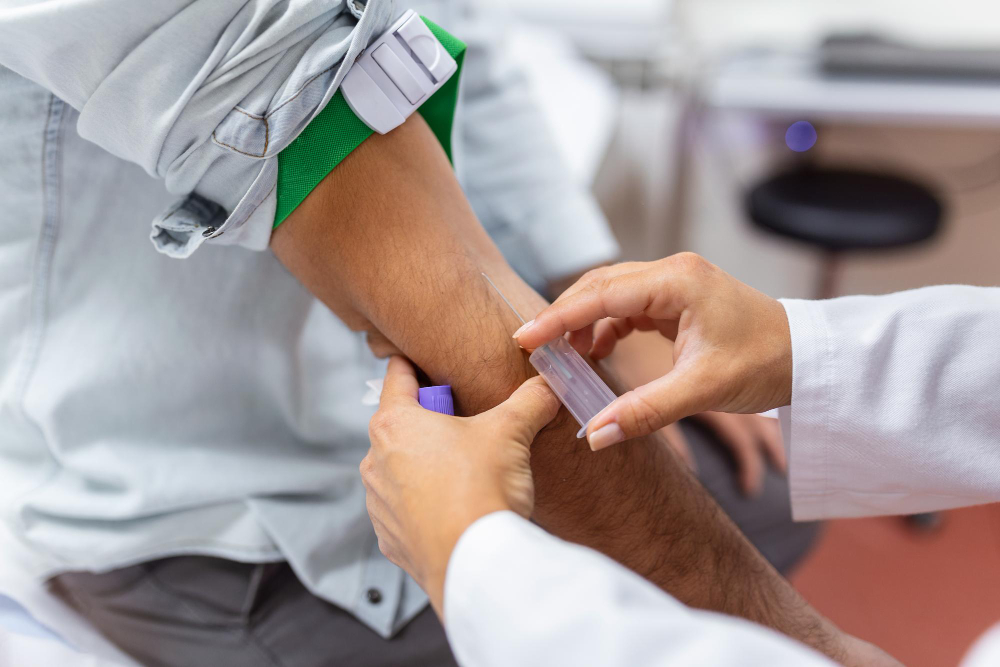
Diabetes is a chronic condition that affects how the body processes blood sugar (glucose), and effective management is essential to prevent complications. Among the many tools available to monitor diabetes, the HbA1c test is one of the most reliable. Also known as the glycated hemoglobin test, HbA1c measures the average blood glucose levels over the past two to three months, providing a more comprehensive picture than daily glucose checks.
What Is HbA1c?
Hemoglobin is a protein in red blood cells that carries oxygen throughout the body. When blood sugar levels are high, glucose attaches to hemoglobin, forming glycated hemoglobin or HbA1c. The higher the blood sugar levels over time, the more HbA1c will be present in the blood. This test reflects long-term glucose control rather than short-term fluctuations, making it a valuable tool in diabetes management.
For individuals without diabetes, a normal HbA1c level is below 5.7%. A reading between 5.7% and 6.4% may indicate prediabetes, while levels of 6.5% or higher typically confirm a diagnosis of diabetes. For most people with diabetes, the target HbA1c level is below 7%, although the goal may vary based on age, health condition, and individual risk factors.
Importance of Regular HbA1c Testing
Regular HbA1c testing is essential for both diagnosing diabetes and evaluating how well it is being managed. Unlike daily blood sugar tests that can vary depending on meals, stress, and activity levels, the HbA1c test provides an average over a longer period. This helps doctors and patients understand the overall effectiveness of a treatment plan, including diet, medication, and exercise routines.
By monitoring HbA1c levels every three to six months, healthcare providers can detect whether blood sugar is being properly controlled. If levels remain consistently high, it may be necessary to adjust medications, make dietary changes, or introduce new lifestyle strategies. On the other hand, stable and healthy HbA1c readings confirm that current treatment methods are effective.
Preventing Long-Term Complications
To prevent the long-term complications and consistently high blood sugar levels that can lead to serious health complications, including heart disease, nerve disorders, kidney damage, vision problems, and poor wound healing. Regular HbA1c that testing allows early detection of potential problems and helps in making timely interventions. To keeping HbA1c levels within the target range reduces the risk of long-term complications and enhances the quality of life for individuals living with diabetes.
Personalized Diabetes Management
Every individual responds differently to treatment. Some may achieve control with lifestyle changes alone, while others require medications or insulin therapy. HbA1c testing supports personalized care by allowing adjustments based on a person’s unique response to treatment. It empowers both patients and doctors to make informed decisions and set realistic health goals.
Conclusion
Regular HbA1c testing is a cornerstone of effective diabetes care. It offers a clear and reliable picture of long-term blood sugar control, enables timely adjustments to treatment plans, and helps prevent serious health complications. For anyone living with diabetes or at risk of developing it, staying informed through regular HbA1c tests is a proactive step toward better health and well-being. With the right monitoring and care, managing diabetes becomes more achievable and less overwhelming.
Diabetes
Foods for Blood Sugar Control in Type 2 Diabetes
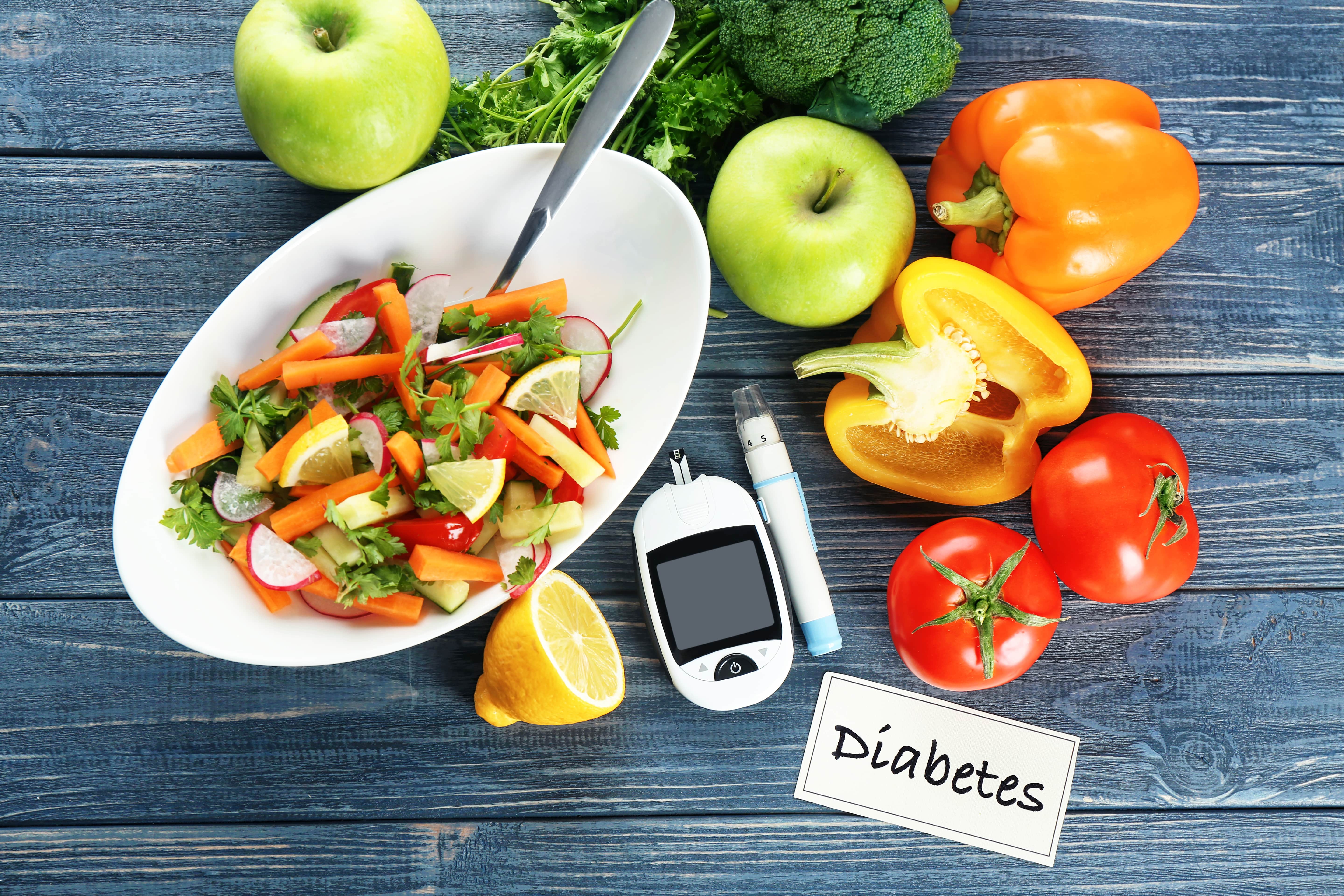
Managing Type 2 diabetes requires making smart choices, especially when it comes to food. What you eat plays a major role in controlling your blood sugar levels and maintaining overall health. With the right diet, you can feel more energetic, avoid complications, and enjoy a better quality of life. Eating well is a powerful step toward a healthier, happier you!
1. Leafy Green Vegetables
Leafy greens like spinach, kale, and fenugreek leaves are packed with vitamins, minerals, and fiber. They are low in calories and carbohydrates, which makes them ideal for people with diabetes. These vegetables also have antioxidants that help protect against inflammation and damage caused by high blood sugar levels.
2. Whole Grains
Unlike refined grains, whole grains such as oats, quinoa, brown rice, and whole wheat are rich in fiber. Fiber slows down the digestion process, preventing sudden spikes in blood sugar. Choosing whole grains over white rice or white bread can lead to more stable energy levels throughout the day.
3. Nuts and Seeds
Almonds, walnuts, chia seeds, and flaxseeds are excellent choices for people managing Type 2 diabetes. They are loaded with healthy fats, fiber, and protein, all of which helps to maintain blood sugar balance. A small handful of nuts as a snack can keep you full longer and prevent unhealthy cravings.
4. Fatty Fish
Fish like salmon, sardines, and mackerel are rich in omega-3 fatty acids. These healthy fats help reduce inflammation, lower triglyceride levels, and support heart health, which is very important for people with diabetes. Grilled, baked, or steamed fish twice a week can be a great addition to your diabetes-friendly diet.
5. Beans and Lentils
Beans, chickpeas, and lentils are affordable, nutritious, and highly beneficial for blood sugar control. They are rich in fiber and protein, which slow down the release of sugar into the bloodstream. Including a variety of legumes in your diet can improve both blood sugar and heart health.
6. Berries
Berries such as strawberries, blueberries, and raspberries are sweet but low in sugar compared to many other fruits. They also contain antioxidants and fiber. A small serving of berries can satisfy your sweet cravings without causing a blood sugar spike.
7. Greek Yogurt
Greek yogurt is a rich source of protein and probiotics, which can aid digestion and support metabolic health. It has fewer carbohydrates than regular yogurt and can help you feel full longer. Choose plain, unsweetened versions to avoid hidden sugars.
Controlling blood sugar doesn’t mean giving up tasty foods. With thoughtful planning and the right choices, you can enjoy a variety of delicious, nutritious meals that help manage Type 2 diabetes effectively. Regular health checkups through manipaltrutest.com can help you track your progress and make informed decisions about your diet and health. For those looking for regular health monitoring, visiting trusted centers like Manipal TRUtest can ensure you stay updated on your health.